
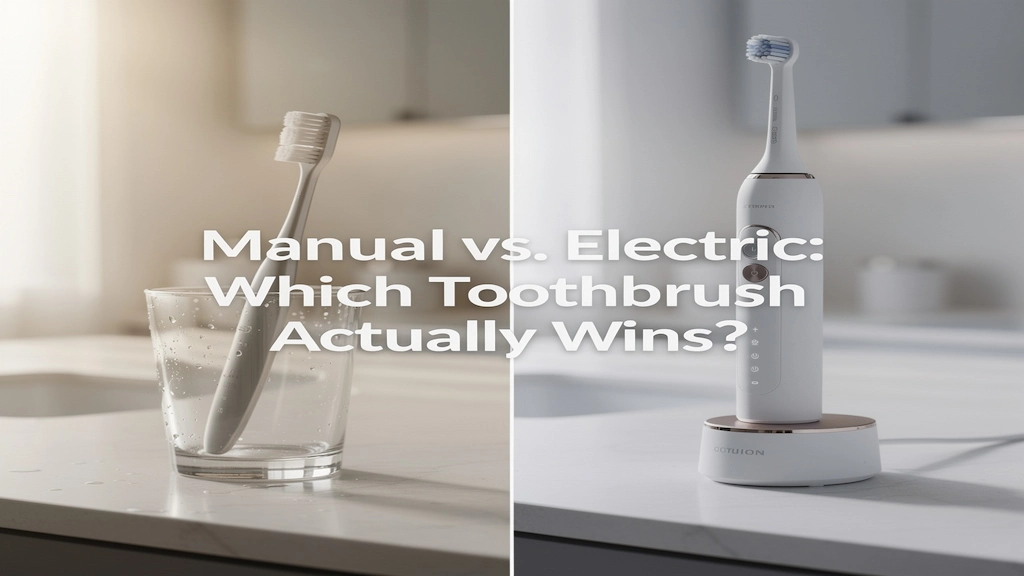
If you’ve ever stood in the toothbrush aisle wondering whether that $100 electric toothbrush is actually worth it—or just clever marketing—you’re not alone. The debate between manual and electric toothbrushes isn’t just about personal preference anymore. It’s about understanding what truly works for your oral health, your lifestyle, and yes, your wallet.
Let’s cut through the hype and look at what the science, dentists, and real-world experience actually tell us.
What the Research Actually Shows
Here’s the truth that might surprise you: electric toothbrushes do work better than manual ones—but the difference isn’t quite the dramatic transformation manufacturers want you to believe.
Recent studies from 2024 and 2025 reveal some compelling numbers. According to research published in the Journal of the American Dental Association, electric toothbrushes removed 11% more plaque after 1-3 months of use, and that number jumped to 21% with long-term use.
A 2024 meta-analysis found that oscillating-rotating brushes (the kind with small, round heads that spin) performed better than both sonic and manual brushes at reducing plaque and gingivitis. However—and this is important—the study also noted that proper technique with a manual brush can achieve excellent results.
The takeaway? Electric brushes have a measurable advantage, but they’re not magic wands.
Electric Toothbrush Pros: Beyond the Marketing
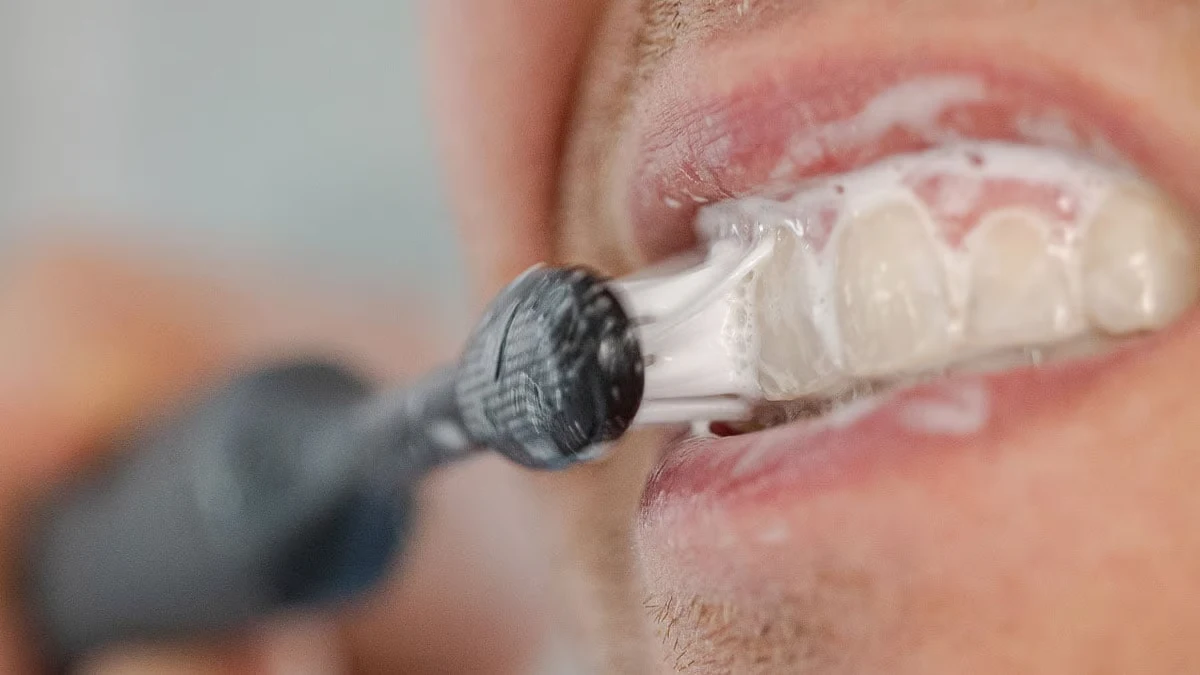
Superior Plaque Removal
The consistent, rapid motion of electric brush heads does more work in less time. This is particularly helpful along the gumline, where plaque loves to hide and cause gingivitis.
Built-In Timers
Most people brush for only 45 seconds when they should be brushing for two minutes. Electric toothbrushes with built-in timers take the guesswork out, often pulsing every 30 seconds to remind you to switch quadrants.
Easier for People with Limited Dexterity
Whether you’re dealing with arthritis, recovering from an injury, or simply struggling with the precise circular motions required for effective manual brushing, electric toothbrushes do most of the work for you. As dental hygienists at the University of Alabama point out, they’re especially beneficial for young children, older adults, and anyone who finds manual brushing challenging.
Pressure Sensors
Many modern electric toothbrushes include sensors that alert you when you’re brushing too hard—a common mistake that can damage gums and wear down enamel.
Electric Toothbrush Cons: The Reality Check
Cost
Let’s be honest: electric toothbrushes are expensive. Quality models start around $50 and can easily exceed $200. Plus, you’ll need to replace brush heads every three months at $10-$20 per pack.
Maintenance and Charging
You have to remember to charge them, clean them properly, and eventually, the batteries die. They’re also bulkier for travel.
Overwhelming Options
The market is flooded with features you may or may not need: Bluetooth connectivity, pressure sensors, multiple modes, UV sanitizers. It’s easy to pay for bells and whistles that won’t necessarily improve your oral health.
Not a Substitute for Technique
Just because it’s electric doesn’t mean you can mindlessly run it over your teeth. You still need to position it correctly, angle it toward the gumline, and cover all surfaces.
Manual Toothbrush Pros: The Underdog’s Strengths
Cost-Effective
A quality manual toothbrush costs $3-$10. Done. No charging, no replacement heads that cost more than the toothbrush itself.
Portability
Toss it in your bag. No charger needed, no bulk. Perfect for travel, gym bags, and office drawers.
Control and Feedback
With a manual brush, you have complete tactile control. You can feel exactly what you’re doing, adjust pressure instantly, and navigate around dental work or sensitive areas with precision.
Proven Track Record
Billions of people have maintained excellent oral health with manual toothbrushes for decades. When used correctly—with proper technique for the full two minutes—they absolutely work.
Manual Toothbrush Cons: Where They Fall Short
Technique-Dependent
Most people don’t brush correctly with manual brushes. They scrub horizontally like they’re sanding wood, apply too much pressure, or skip hard-to-reach areas entirely.
Inconsistent Timing
Without a built-in timer, most people underestimate how long they’ve been brushing. That 45-second rush in the morning isn’t cutting it.
More Physical Effort
Manual brushing requires proper circular or back-and-forth motions, which can be tiring or difficult for some people to maintain effectively.
Who Should Upgrade to Electric?
An electric toothbrush isn’t essential for everyone, but it’s especially beneficial for:
- People with braces or orthodontic work: Electric brushes clean around brackets and wires more effectively. Studies show orthodontic patients using electric toothbrushes had 22% less plaque and 18% lower gingivitis scores.
- Those with sensitive gums or gum disease: The gentle, consistent motion combined with pressure sensors helps prevent further recession while still cleaning effectively.
- Anyone with dexterity issues: Arthritis, carpal tunnel, or motor skill challenges make electric brushes a game-changer.
- Chronic under-brushers: If you consistently rush through brushing or know your technique isn’t great, an electric brush with a timer and built-in motion helps compensate.
- Parents of young kids: Getting children to brush properly is tough. Electric brushes make it easier and often more fun with timers and kid-friendly designs.
Who Can Stick with Manual?
You’re probably fine with a manual toothbrush if:
- You have excellent brushing technique and genuinely brush for two minutes twice daily
- You have good dexterity and no oral health issues
- You’re on a tight budget
- You travel frequently and prefer minimal gear
- You’re already visiting your dentist in Sanford or your local dental professional regularly and receiving positive feedback on your oral health
The Verdict: Which Actually Wins?
If we’re being honest, electric toothbrushes have the edge for most people—but not because manual brushes are bad. Electric brushes win because they compensate for human error: inconsistent timing, poor technique, insufficient pressure in some areas and too much in others.
However, a well-used manual toothbrush in skilled hands can absolutely compete. The problem is that most of us aren’t brushing as well as we think we are.
The real winner isn’t the tool—it’s the consistency and technique behind it. Whether you choose electric or manual, the fundamentals matter most:
- Brush twice daily for two full minutes
- Use fluoride toothpaste
- Angle the brush toward your gumline at 45 degrees
- Replace your brush or brush head every three months
- Floss daily (neither toothbrush can do this job)
- Visit your dentist every six months
Final Thoughts: Choose What You’ll Actually Use
The best toothbrush is the one you’ll use consistently and correctly. If an electric brush motivates you to brush better and longer, it’s worth the investment. If you’re perfectly content and effective with a manual brush, don’t let marketing pressure make you feel inadequate.
Your teeth don’t care about the price tag. They care about plaque removal, gum health, and consistent care. Choose the tool that fits your life, your budget, and your commitment to using it properly twice a day, every day.