
Top 7 Causes of Sudden Tooth Sensitivity to Cold & Hot
That sudden, sharp zing you feel when sipping hot coffee or biting into a popsicle can stop you in your tracks. One second you’re enjoying your favorite treat, and the next, a jolt of pain shoots through your tooth like an electric shock. If this sounds familiar, you’re far from alone — nearly 40 million Americans experience some form of tooth sensitivity at some point in their lives. Tooth sensitivity to temperature extremes is more than just a minor annoyance. It’s often your body’s way of signaling that something has changed inside or around your teeth. The good news? Most causes are treatable, especially when caught early. Visiting a trusted Dentist in sanford can help you pinpoint the exact reason behind the discomfort and get you back to enjoying your favorite foods without wincing. Let’s break down what’s really happening inside your teeth and explore the seven most common reasons you might suddenly be feeling that painful pinch. 7 Shocking Causes of Sudden Tooth Sensitivity You Shouldn’t Ignore 1. Enamel Erosion from Acidic Foods and Beverages Your enamel is tough, but it’s not invincible. Every day, acidic foods and drinks chip away at it little by little. Citrus fruits, sodas, sports drinks, wine, and even healthy options like tomatoes and vinaigrette dressings can gradually dissolve enamel over time Cleveland Clinic. When enamel thins, the dentin underneath becomes exposed — and suddenly, that morning glass of orange juice or evening cup of tea triggers a wave of sensitivity. The tricky part is that enamel erosion happens so gradually that most people don’t notice it until sensitivity sets in. The benefit of catching this early: Enamel doesn’t regenerate, but your dentist can apply fluoride treatments and protective sealants to strengthen what remains and prevent further wear. Small dietary adjustments — like rinsing with water after acidic meals and waiting at least 30 minutes before brushing — can make a meaningful difference Delta Dental. 2. Gum Recession Exposing Sensitive Tooth Roots Your gums act like a blanket, covering and protecting the roots of your teeth. But when gums recede — whether due to gum disease, aging, or other factors — they pull back and expose the root surface. Unlike the crown of your tooth, roots don’t have enamel protecting them. They’re covered by a thinner layer called cementum, which wears away easily and leaves dentin wide open to temperature changes ADA MouthHealthy. Gum recession can sneak up on you. You might first notice teeth looking longer than they used to or feel a notch near the gumline. Sensitivity to cold often follows shortly after. Why this matters for you: Treating gum recession early can prevent root exposure from worsening. Depending on the severity, treatments range from deep cleaning procedures to gum grafting that restores your gumline and protects those vulnerable roots. 3. Hidden Tooth Decay and Cavities Sometimes sensitivity is the first warning sign of a cavity you can’t even see yet. When bacteria break down tooth enamel and create small holes, they work their way toward the inner layers of the tooth. As decay progresses closer to the pulp, your tooth becomes increasingly reactive to hot and cold NIH PMC. What makes this particularly sneaky is that cavities between teeth or beneath old fillings may not be visible to the naked eye. You might only feel them when temperature hits the weakened area. The advantage of early detection: A small cavity is simple to fix with a filling. But if decay reaches the pulp, you may need a Root Canal in sanford to save the tooth and eliminate the infection. The sooner decay is found, the simpler and more affordable the solution. 4. Cracked or Chipped Teeth from Everyday Habits You don’t have to take a baseball to the face to crack a tooth. Everyday habits like chewing ice, biting into hard candies, grinding your teeth at night, or using your teeth to open packaging can create tiny fractures that you might not notice right away Cleveland Clinic. These hairline cracks allow hot and cold temperatures to seep into the inner layers of the tooth. You might notice sensitivity that comes and goes, or pain that’s specifically triggered by biting down on something. The good news: Minor chips and cracks can often be repaired quickly and affordably. Dental Bonding in sanford offers a fast solution that uses a tooth-colored resin to seal cracks and restore the tooth’s protective surface — often in a single visit. 5. Teeth Grinding (Bruxism) While You Sleep If you wake up with a dull headache, sore jaw, or sensitive teeth, bruxism could be the culprit. Teeth grinding — especially during sleep — places enormous pressure on your teeth night after night. Over time, this constant force can wear down enamel, create micro-fractures, and even loosen teeth NIH PMC. Many people who grind their teeth have no idea they’re doing it until a partner mentions it or a dentist spots the wear patterns during a routine exam. How this helps you: A custom nightguard created by your dentist can cushion your teeth and prevent grinding damage while you sleep. It’s a simple, non-invasive solution that protects your enamel and reduces sensitivity over time. 6. Recent Dental Treatments and Procedures Here’s a cause that might surprise you — sensitivity can actually be a normal side effect of dental work. After procedures like fillings, crown placements, deep cleanings, or teeth whitening, it’s common to experience temporary sensitivity to hot and cold NIH PMC. This type of sensitivity usually fades on its own within a few days to a couple of weeks as the tooth settles. However, if sensitivity lingers long after a procedure or worsens over time, it could indicate that a filling needs adjusting or that there’s an underlying issue that needs attention. What this means for you: Knowing that post-treatment sensitivity is typically temporary can ease your mind. But if it persists, don’t ignore it — a follow-up visit ensures everything is healing properly. 7. Aggressive Brushing
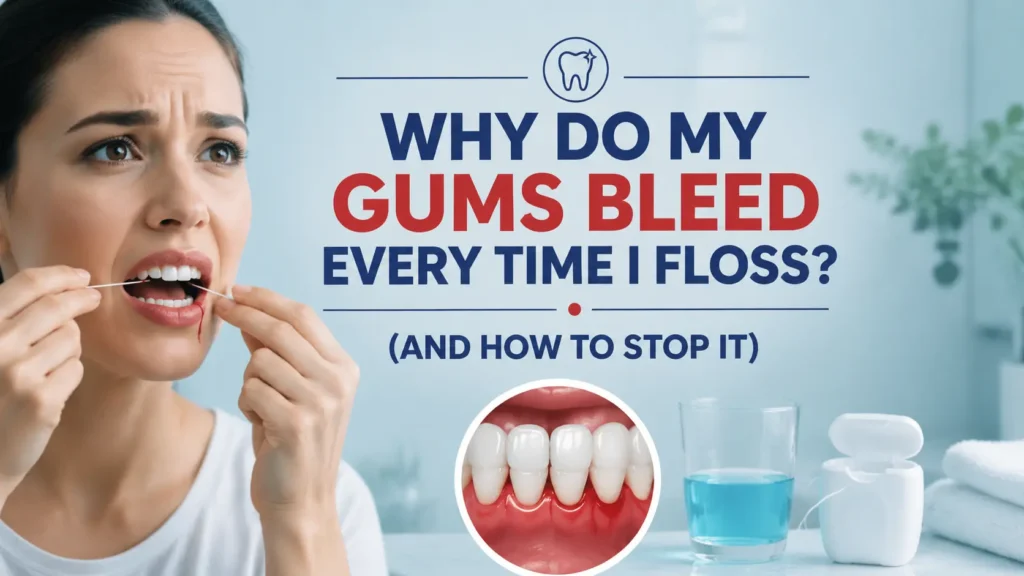
Why Do My Gums Bleed Every Time I Floss? (And How to Stop It)
Have you ever looked in the bathroom mirror after your nightly flossing routine only to notice a streak of pink or red in the sink? If your gums bleed every time you floss, you might feel tempted to put the dental floss back in the drawer and skip it altogether. However, ignoring bleeding gums is one of the biggest mistakes you can make for your long-term oral health. At Smile Town Dental in Sanford, FL, our clinical team encounters this concern from patients almost daily. In this expert-backed guide, we will leverage our years of hands-on dental experience to break down exactly why your gums are bleeding, practical ways to stop it at home, and when it is time to seek professional intervention. The Real Reason Your Gums Bleed When You Floss Many patients believe that flossing too hard or using too much pressure is the sole reason for bleeding. While a rough technique can certainly irritate your tissues, the underlying culprit is almost always bacterial accumulation, known as plaque buildup. When food particles and bacteria remain trapped between your teeth, they form a sticky, invisible film. If this plaque is not removed within 24 to 48 hours, it hardens into a mineralized substance called tartar (calculus). Tartar behaves like sand inside a shoe—it constantly rubs against and irritates the soft, sensitive gum tissue. This irritation triggers an immune response called inflammation, making the blood vessels fragile. When floss touches these fragile vessels, they bleed instantly. Common Clinical Causes: Inconsistent Flossing: If you only floss once every few weeks, your gum tissue does not build up a tolerance to the physical stimulation. They will bleed until flossing becomes a daily habit. Gingivitis: This is the medical term for early-stage gum disease. It is directly caused by plaque staying at the gumline too long. Starting a New Routine: If you have recently committed to a new flossing routine after months of skipping it, minor bleeding is completely normal for the first 3 to 7 days as your tissues heal. Is it Normal for Gums to Bleed? (The Medical Truth) Let’s establish an important medical fact from our clinical experience: Healthy gums do not bleed. To understand this, think of your gum tissue like the skin on your hands. If your knuckles bled every single time you washed your hands, you would immediately know there is an underlying issue. The exact same principle applies to your mouth. While minor bleeding during a new routine is common, chronic, daily bleeding is a cry for help from your body. If you ignore gingivitis, the inflammation can rapidly progress into a more severe condition known as Periodontitis. At this advanced stage, the bacteria travel deeper below the gumline, destroying the underlying bone that anchors your teeth in place, eventually resulting in shifting or tooth loss. How to Stop Your Gums from Bleeding: Step-by-Step The good news is that early-stage gum inflammation is completely reversible if caught early. Here is our step-by-step clinical protocol to restore your gum health at home: Step 1: Commit to Daily Flossing (Don’t Quit!) It feels completely counterintuitive to keep flossing a spot that is actively bleeding. However, stopping will only allow more bacteria to accumulate, worsening the infection. Keep flossing at least once a day, preferably right before bed. Step 2: Master the “C-Shape” Technique Do not violently “snap” the floss down between your teeth, as this cuts the delicate interdental papilla (the triangle of gum between teeth). Instead, gently guide the floss between the teeth. Once it reaches the gumline, wrap it into a “C-shape” against the side of the tooth and slide it slightly below the gum tissue, wiping the plaque away. Step 3: Keep the Rest of Your Mouth Clean Flossing must go hand-in-hand with thorough brushing. Ensure you brush twice a day for a full two minutes using a soft-bristled toothbrush. Hard bristles can scratch your enamel and cause your gums to recede. When Should You See a Dentist for Professional Treatment? If you have been flossing gently and consistently every single day for more than 7 to 10 days and your gums continue to bleed, home care alone will not solve the problem. Brushing and flossing can easily dislodge soft plaque, but only a dental professional can safely remove mineralized tartar. If the plaque has traveled deep beneath your gumline and turned into tartar, you may require a specialized deep cleaning known as scaling and root planing in Sanford, FL. During this non-surgical procedure, our experienced team carefully eliminates harmful tartar deposits from above and below the gumline, smoothing the tooth roots so your gums can naturally reattach and heal properly. Watch for These Additional Warning Signs: If your bleeding gums are accompanied by any of the following symptoms, do not wait for your six-month checkup: Visibly swollen, red, or tender gums Persistent bad breath or a constant metallic taste in your mouth Gums that appear to be pulling away from your teeth Severe throbbing pain or sudden swelling (which requires immediate emergency dental care in Sanford, FL) Take Control of Your Oral Health Today Don’t let a little bit of pink in the sink discourage you. With the right technique, daily consistency, and professional support, you can achieve a strong, healthy, and bleed-free smile. If your gums are swollen, consistently bleeding, or if you are simply overdue for your professional cleaning, our team at Smile Town Dental is ready to restore your health in a warm, comfortable environment. Take the first step toward a healthier smile and contact us today to schedule your comprehensive evaluation.
What Are Dental Implants and Are They Worth It?
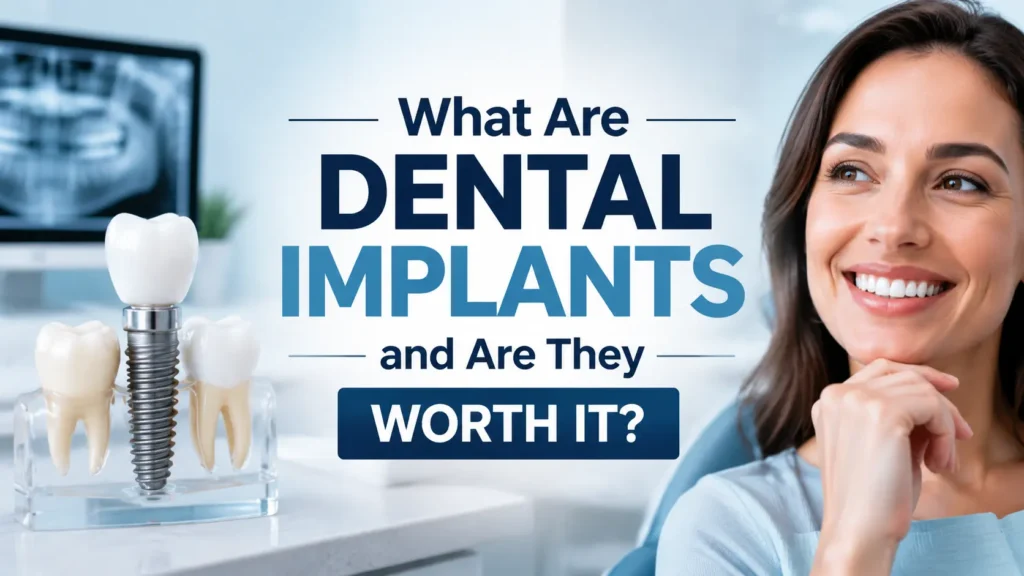
If you’re missing one or more teeth, Dental Implants may be worth it because they replace both the visible tooth and the root beneath it, helping restore comfort, chewing ability, confidence, and long-term stability. Unlike removable options, implant treatment is designed to fuse with the jawbone and create a secure foundation for a crown, bridge, or denture. At Smile Town Dental, the goal is not just to fill a gap—it’s to rebuild a smile that feels natural and functions well in daily life. Source What Implants Actually Are—and Why They Feel So Natural An implant is a small titanium post placed into the jawbone where a tooth root used to be. Over time, the bone bonds with that post through a process called osseointegration. Once healing is complete, an abutment and a custom restoration are attached on top, creating a replacement tooth that looks and works much more like a natural tooth than many people expect. This step-by-step structure is one reason implant treatment is often chosen by adults who want strength, stability, and a more natural bite. Source Source Why Dental Implants Are Worth the Investment For many patients, the real value comes from what implants help you keep—not just what they replace. Powerful benefits patients notice every day More stable chewing for foods that feel difficult with missing teeth A restoration that is anchored in the jaw instead of slipping or shifting Better support for speech and daily comfort A natural-looking result that blends into your smile Long-term durability that can make treatment more cost-effective over time Better jaw support than leaving a missing space untreated Source Source Smile Town Dental explains that implant treatment is designed as a long-term solution, with many cases lasting 25 years or more when supported by strong home care and regular dental visits. The practice also notes clinical success rates of roughly 95% to 98% after 10 years, which helps explain why so many patients see this as an investment rather than a short-term fix. Source The Honest Answer: When They’re Worth It—and When You Should Pause Implants are usually worth it when you want a secure, long-lasting replacement and you’re willing to commit to the treatment timeline, healing phase, and ongoing maintenance. They may be especially valuable if you want to avoid the movement, inconvenience, or shorter lifespan that can come with some other tooth-replacement options. Source That said, they are not a one-size-fits-all decision. You may need extra planning if you have bone loss, active gum disease, uncontrolled diabetes, or if you smoke. In some cases, bone grafting is needed before placement. That doesn’t necessarily rule treatment out—it just means the right diagnosis matters. Source Source What the Process Looks Like From Start to Finish At Smile Town Dental, care begins with a consultation, exam, 3D imaging, and treatment planning. After placement, the jawbone needs time to heal and bond to the implant. Once that fusion is complete, the connector piece and final restoration are placed. In many cases, the full timeline takes about 3 to 6 months, though it can be longer if grafting or extractions are needed first. Source Cleveland Clinic and Mayo Clinic describe a very similar staged approach: placement, healing, and final restoration. That consistency matters because it shows patients that the timeline is normal—not a sign that something is wrong. Good implant treatment is careful, planned, and designed for long-term success rather than speed alone. Source Source Does It Hurt? Most Patients Say It’s Easier Than Expected One of the biggest reasons people delay treatment is fear of pain. In reality, the area is numbed during the procedure, and many patients report that recovery feels more manageable than they expected. Smile Town Dental also offers oral conscious sedation and IV sedation for patients who feel anxious or need more involved care. Source After surgery, some swelling, tenderness, or mild discomfort is normal. According to Cleveland Clinic and Mayo Clinic, over-the-counter pain relief is often enough for the early recovery period, and most of the healing discomfort improves within days to a week. Source Source Who Makes a Good Candidate? Many adults with one or more missing teeth may qualify. Good candidates generally have a fully developed jaw, healthy gum tissue, enough bone support—or the ability to rebuild it—and the willingness to keep up with home care and checkups. Smoking and certain medical conditions can raise the risk of complications, so a detailed evaluation is essential before moving forward. Source Source If you’ve previously been told you weren’t a candidate, it may still be worth getting reevaluated. Smile Town Dental notes that modern options such as bone grafting, sinus lifts, and mini implants can expand access for more patients than in the past. Source The Long-Term Value Most Patients Care About If you want a stable, modern solution, Dental Implants can make sense not only cosmetically, but functionally and financially over time. While the upfront investment is usually higher than some alternatives, the durability and everyday comfort often change how patients think about value. Instead of asking only, “What does it cost today?” many people eventually ask, “What gives me the best chance of comfort and confidence for years?” Source This question matters even more in 2026 because implant use in the United States has grown steadily over time. One published U.S. analysis found implant prevalence rising significantly and projected continued growth through 2026, reflecting how common this option has become for adults with missing teeth. Source What About Insurance and Affordability? This is where many patients need clear, local guidance. Smile Town Dental states that some insurance plans may help cover parts of treatment, such as the crown, extraction, or diagnostic visits, even when the implant post itself is not fully covered. The office also helps patients maximize benefits, accepts HSA/FSA funds, and offers flexible payment support to make care more manageable. Source Source For people researching Dental Implants in Sanford, that kind of support can make a big difference. A treatment plan is easier to move forward with when the clinical side and the financial side are both explained clearly. Why Trust Matters When Choosing Implant Care A strong implant experience
Emergency Dentist in Sanford: What You Need to Know
If you wake up with severe tooth pain, crack a tooth during dinner, or notice swelling in your gums or face, it can be hard to tell whether you should wait or get help right away. In most cases, fast action protects your comfort, your oral health, and sometimes even your tooth. If you need trusted guidance from a Dentist in sanford, this guide explains what counts as a real dental emergency, what to do first, and how to protect your smile until you’re seen. Quick Answer: What Counts as a Dental Emergency? A dental emergency is any oral health problem that needs immediate attention because of severe pain, uncontrolled bleeding, swelling, infection, or trauma that could lead to permanent damage if ignored. Common examples include a severe toothache, a badly cracked tooth, a knocked-out tooth, a dental abscess, facial swelling, and a lost crown or filling that causes significant discomfort. Problems that usually need urgent dental care Severe or throbbing tooth pain A broken, cracked, or partially dislodged tooth A knocked-out permanent tooth Swelling in the gums, jaw, or face A painful dental abscess or infection Unexplained bleeding in the mouth A lost filling or crown that leaves the tooth sensitive or painful Soft tissue injuries to the lips, gums, cheeks, or tongue that keep bleeding Problems that may be able to wait for normal office hours Not every dental problem is a true emergency. A mild toothache, a small chip with no pain, broken braces, or an object stuck between teeth may still need treatment, but they usually do not require immediate emergency care unless symptoms worsen. Why Seeing a Dentist in sanford Quickly Matters When a dental emergency is treated early, the outcome is often better and the treatment is usually simpler. Quick care can reduce pain, stop an infection from spreading, protect surrounding teeth, and improve the chances of saving a damaged or knocked-out tooth. This is especially important with swelling, trauma, or tooth injuries, where waiting can make the situation more complicated. Your Smile Town Dental also positions itself as a practice that offers comprehensive care, including emergency dentistry for dental injuries and pain relief, along with restorative and cosmetic follow-up treatment when needed. That matters because many emergencies do not end with pain relief alone; they often need a longer-term solution to restore strength, appearance, and function. What to Do Right Away During a Dental Emergency Severe toothache Rinse your mouth with warm water and gently floss to remove any trapped food. If swelling is present, place a cold compress on the outside of your cheek. Over-the-counter pain relievers may help, but never place aspirin or pain medication directly on the gums because it can irritate or burn the tissue. If the pain is intense or does not improve, contact a dentist promptly. Cracked or broken tooth Save any broken pieces if possible. Rinse your mouth with warm water and apply gentle pressure with clean gauze if there is bleeding. A cold compress can help reduce swelling. Even if the tooth still looks mostly intact, a crack can expose deeper structures and worsen quickly if left untreated. Knocked-out tooth Pick the tooth up by the crown, not the root. Rinse it gently if dirty, but do not scrub it. If possible, place it back in the socket carefully. If that is not possible, keep it in milk or a salt-water solution and get urgent dental care immediately. The best chance of saving the tooth is when it is treated quickly, ideally within one hour. Swelling, abscess, or signs of infection Swelling in the gums, jaw, or face should never be ignored. It may point to an abscess or serious infection. Rinse gently with mild salt water and seek urgent dental care as soon as possible. If swelling affects breathing or swallowing, go to emergency medical care immediately. Lost crown or filling A missing filling or crown may expose the tooth and increase sensitivity. If you still have the crown, keep it safe and bring it with you. Temporary dental cement may help hold it in place briefly, but avoid using super glue or DIY fixes that can damage the tooth further. Smart Benefits of Getting Help Fast Getting prompt emergency dental care can help you: Relieve pain sooner Lower the risk of infection spreading Save a natural tooth when possible Prevent a minor problem from becoming a costly one Protect your bite and chewing function Reduce the chance of needing more extensive treatment later Get a clearer plan for both immediate relief and long-term restoration These are the practical benefits readers want most, and they are often missing from weaker blog posts that only list symptoms without explaining why timing matters. How Emergency Care Can Protect Your Long-Term Smile Emergency treatment is often the first step, not the last. Once the urgent problem is controlled, the next goal is restoring your smile in a way that feels comfortable, looks natural, and supports long-term oral health. For example, a damaged or missing tooth may later be restored with Crowns & Bridges in sanford or, in some cases, Dental Implants in sanford. If a tooth cannot be saved, Tooth Extraction in sanford may be the healthiest next step. Small chips or cosmetic damage may sometimes be improved with Dental Bonding in sanford, while bite-related or spacing issues may later benefit from Clear Aligners in sanford. That full-care approach is important. Instead of only stopping pain, a Dentist in sanford can help you understand the cause of the problem, stabilize the tooth or gums, and recommend the next treatment that keeps your smile healthy and functional. Warning Signs You Should Never Ignore Pain that keeps getting worse Pain that becomes sharper, more constant, or harder to manage often means the problem is progressing. Deep decay, infection, or nerve involvement can move quickly if not evaluated. Facial swelling Facial swelling can point to infection and should be taken seriously, especially if it spreads or is paired with
How to Choose a Trusted Dentist for Dental Care in Lake Mary, FL
If you are looking for a Dentist in Lake Mary, the smartest approach is to focus on trust, convenience, clear communication, and long-term care. The right Dentist in Lake Mary, FL should do more than handle one appointment. They should make it easier to protect your smile over time, feel comfortable asking questions, and get help quickly when something urgent happens. What Makes a Dentist in Lake Mary Truly Trustworthy Trust usually comes down to a few simple things: clinical skill, honest communication, patience, and consistency. Patients do not just want treatment. They want to feel respected, informed, and confident about the care they receive. Research shows that when people choose a dentist, they place high value on competence, recommendations from people they trust, and the overall quality of care. Patience and respect also matter because they shape how comfortable patients feel during treatment. That is why choosing a dental office should never be based on location alone. A trustworthy practice listens carefully, explains options in plain language, keeps records organized, and helps patients feel supported before, during, and after treatment. The American Dental Association also emphasizes practical factors like office access, convenient hours, insurance compatibility, communication, and emergency handling when choosing the right dental home. Start With the Basics That Matter in Real Life Look for convenience you can actually maintain Good dental care only works when regular visits fit into your routine. If getting to the office feels stressful, if hours are difficult, or if every appointment turns into a scheduling problem, it becomes much harder to stay consistent with preventive care. A strong local dental office should make it easier for individuals and families to stay on track with exams, cleanings, and follow-up visits. Make sure communication feels clear and comfortable One of the biggest signs of a reliable practice is how clearly the team explains treatment. You should know what is happening, why it matters, what your options are, and what the next steps look like. A rushed explanation can leave patients confused. A good explanation builds trust and reduces anxiety. Ask about insurance and payment support early Cost transparency matters. A trustworthy office should help patients understand insurance, payment expectations, and what options are available if larger treatment is needed. Your Smile Town Dental highlights flexible payment options and works with most major insurance plans, which can make ongoing care more manageable for families and individuals. Why a Dentist in Lake Mary Should Offer More Than Cleanings Many people start by searching for a routine exam or cleaning, but the best dental relationship is one that can grow with your needs. Over time, you may want preventive care, cosmetic improvements, pediatric visits for children, orthodontic support, restorative treatment, or fast emergency help. Choosing a practice that can support all of those needs saves time, reduces referrals, and gives you a more consistent experience. Your Smile Town Dental presents itself as a practice offering general dentistry, cosmetic dentistry, pediatric dentistry, orthodontics, restorative dentistry, and emergency dentistry. On its Lake Mary page, the practice also emphasizes personalized care, a comfortable environment, and support for patients of all ages across Lake Mary and nearby communities such as Sanford, Heathrow, and Longwood. That kind of comprehensive approach is valuable because it helps patients stay with one trusted team as their needs change. Signs You Have Found the Right Fit for Your Family A great dental office often feels right in ways that go beyond marketing. You notice it in the way the staff welcomes you, the way questions are answered, and the way treatment is discussed without pressure. Here are some strong signs you are choosing well: The team explains treatment clearly and respectfully Preventive care is taken seriously, not treated like an afterthought Children and adults can both feel comfortable in the same office The practice can handle routine, cosmetic, restorative, and urgent needs Emergency help is available when pain or injury cannot wait Insurance and payment conversations are handled openly The office feels clean, organized, and welcoming These are the same qualities patients often remember when they recommend a dentist to friends and family, and personal recommendations remain one of the strongest trust signals in dental care. Benefits of Choosing the Right Dentist in Lake Mary Choosing the right dental office can make everyday life easier, not just your next appointment. Here are some real benefits for patients: You are more likely to keep up with regular visits Small issues can be found before they become painful or expensive You spend less time searching for different specialists for common needs Your dental history stays in one place, making care more consistent Kids, adults, and anxious patients often feel more comfortable returning You have a clear place to call if a dental emergency happens Better communication can help you make more confident treatment decisions This matters because oral health is not separate from overall health. The ADA’s patient guidance stresses the value of having a dental home so there is always a trusted place to turn for routine care, procedures, and emergencies. Red Flags You Should Never Ignore Not every polished website leads to a great patient experience. Sometimes the warning signs show up before treatment even begins. Be cautious if you notice: Rushed conversations If the team does not take time to answer basic questions, that often carries into treatment. Vague treatment recommendations You should never feel pushed into care you do not understand. Poor emergency guidance If an office cannot clearly explain what happens when urgent pain or injury comes up, that is worth noticing. Limited service range If you may need cosmetic, restorative, pediatric, or urgent care later, a very limited office could create more inconvenience over time. Unclear pricing Trust grows when patients understand the financial side of care before treatment starts. A Smart Way to Compare Your Options Locally When comparing dental care options around Lake Mary, think in terms of long-term value instead of short-term convenience alone. The best fit is
Are Tooth Implants Safe? Common Side Effects to Read in 5 Minutes
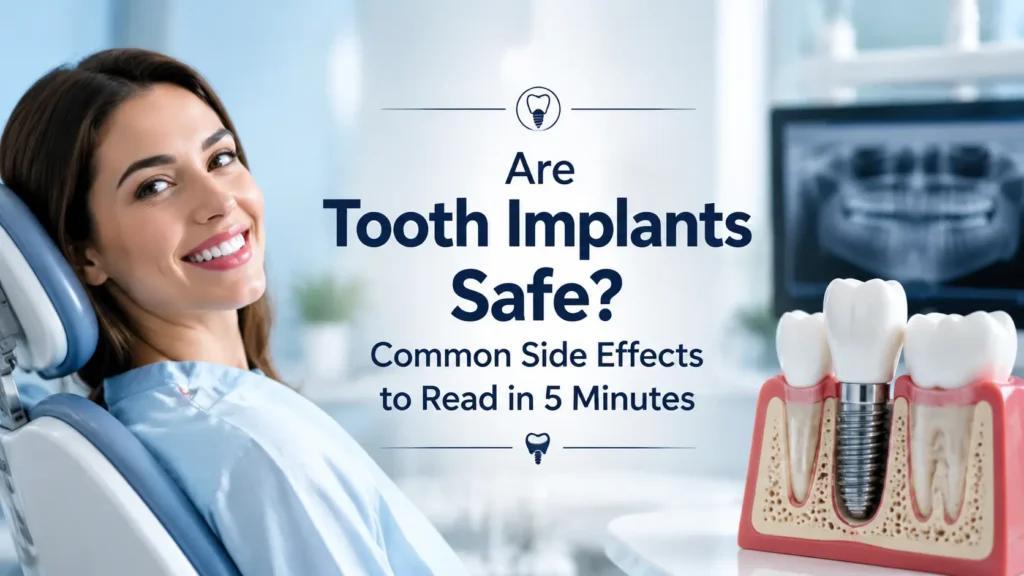
If you are wondering whether tooth implants are safe, the short answer is yes, for most healthy adults, they are considered a safe and predictable tooth replacement option when treatment is carefully planned and properly maintained. Most side effects are mild and temporary, such as soreness, swelling, and light bleeding. The key is knowing what is normal, what is not, and how to lower your risk before treatment even begins. If you are researching Dental Implants, this guide will help you make a confident, informed decision. Are Tooth Implants Safe? Here’s the Honest Answer Tooth implants are widely used because they replace the missing tooth root as well as the visible tooth, creating a stable foundation for a crown, bridge, or denture. The implant post is usually made from biocompatible titanium, which can fuse with the jawbone through a process called osseointegration. That bond is one reason implants are trusted as a long-term solution for missing teeth. According to Your Smile Town Dental, clinical studies show success rates around 95% to 98% after 10 years, and many implants can last 25 years or longer with proper care. The FDA also notes that dental implants can restore chewing ability, improve appearance, help preserve the jawbone, and support overall quality of life. That said, “safe” does not mean “risk-free.” Like any surgical procedure, implants can come with short-term side effects and, in some cases, longer-term complications that need attention. Why Dental Implants Are Considered a Strong Long-Term Option One reason implants are so highly recommended is that they function more like natural teeth than many other replacement options. Your Smile Town Dental describes the implant process as a complete tooth replacement system, from root to crown, which helps support bite strength and everyday comfort. The page also explains that most patients can expect a treatment timeline of roughly 3 to 6 months, depending on healing, bone quality, and whether extra procedures like bone grafting are needed. Another important safety advantage is planning. A strong implant outcome depends on careful diagnosis, review of gum health, bone density, medical history, and healing factors such as smoking or uncontrolled diabetes. Your Smile Town Dental highlights comprehensive evaluation and 3D imaging as part of treatment planning, which helps reduce surgical surprises and improve implant positioning. Common Side Effects Most Patients Can Expect Most people do not experience dangerous complications after implant placement. Instead, they notice normal healing symptoms that gradually improve over days or weeks. Mild Pain and Tenderness Are Usually Temporary Some soreness after implant surgery is expected once the anesthesia wears off. In most cases, the discomfort feels similar to what many patients experience after an extraction and can often be managed with over-the-counter medication or dentist-prescribed pain relief. Your Smile Town Dental notes that many patients return to normal activities within 24 to 48 hours. Swelling and Bruising Can Peak Early Swelling around the gums, jaw, or face is one of the most common early side effects. The American Academy of Implant Dentistry explains that swelling, slight bruising, pain at the implant site, and minor bleeding are all normal during the healing period after surgery. These symptoms usually improve rather than worsen as the first few days pass. Light Bleeding Can Happen at First Minor bleeding or oozing is common shortly after the procedure. This is usually not a sign of a problem if it decreases as healing begins. However, bleeding that becomes heavier or lasts longer than expected should be checked by a dental professional. Eating and Speaking May Feel Different for a Few Days Because the area is tender and healing, many patients need to stick with softer foods for a short time. Depending on where the implant was placed, chewing and speech may feel slightly different at first, especially if a temporary restoration is involved. That adjustment period is normal and usually improves as the tissues settle. Serious Side Effects You Should Never Ignore While most healing is straightforward, some problems deserve prompt attention. This is where many low-quality blogs stop too early. A better answer is not just “implants are safe,” but “implants are safe when warning signs are recognized early.” Infection Around the Implant Site Infection can develop in the gum or bone supporting the implant. The FDA lists local infection as one reason an implant may fail, and poor cleaning around the implant can increase the risk over time. If the area becomes more painful, more swollen, or harder to keep clean instead of steadily improving, call your dentist. Persistent Numbness or Tingling Nerve-related symptoms are uncommon, but they matter. The FDA includes post-surgical numbness from nerve impingement or damage as a known implant risk. If numbness in the lip, chin, gums, or tongue does not improve, it should be evaluated quickly. Sinus Problems With Upper-Jaw Implants Upper-jaw implants require careful placement because of their proximity to the sinus area. The FDA notes that sinus perforation can occur during surgery, which is why proper imaging and planning are so important before implant placement. Loosening or Implant Failure A dental implant should not feel loose. If it does, that may point to poor integration with the bone, bite-related stress, infection, or another mechanical issue. The FDA specifically advises patients to contact their dental provider right away if an implant feels loose or painful. Peri-Implantitis: The Overlooked Long-Term Risk One of the most important long-term risks is peri-implantitis, an inflammatory condition that affects the tissues and bone around an implant. The American Academy of Periodontology explains that bacteria can collect around the base of an implant below the gum line, leading first to inflammation and, if untreated, bone loss. Common signs include red or tender gums around the implant and bleeding when brushing. This is also where tooth implant side effects become more than just a short-term recovery issue. Early inflammation may be reversible, but once bone support starts breaking down, treatment becomes more complex. That is why routine cleanings, home care, and follow-up visits matter just as
Does Root Canal Treatment Hurt? Honest Answers
If you have been told you may need a root canal, your first thought is probably simple: “Is this going to hurt?” The good news is that modern root canal treatment is designed to relieve pain, not cause it. In most cases, patients feel pressure and movement during the procedure, but not sharp pain because the area is numbed first. If you are researching Root Canal treatment, knowing what actually happens can make the experience feel far less intimidating. The Short Answer: Usually, the Infection Hurts More Than the Treatment Root canal treatment has a reputation for being painful, but that reputation is outdated. What most people are really feeling is the pain from an infected or inflamed tooth before treatment begins. Once the area is numb, the procedure itself is typically no more uncomfortable than having a filling placed. A Root Canal treats the source of the problem inside the tooth. When the inner pulp becomes infected because of deep decay, a crack, trauma, or a failing restoration, pressure builds up and the tooth can become extremely sensitive. The treatment removes that infected tissue, cleans the inside of the tooth, and seals it to help prevent future problems. Why Root Canal Pain Is So Misunderstood A lot of fear around root canals comes from old stories, not modern dentistry. Today, dental anesthetics, imaging, and treatment techniques have improved dramatically. That means the procedure is more controlled, more precise, and much more comfortable than many people expect. The bigger issue is often the condition of the tooth before treatment. An infected tooth can cause throbbing pain, pain when chewing, sensitivity to hot or cold, swelling, or a feeling of pressure that keeps getting worse. In many cases, the procedure is the relief patients have been needing all along. What Does a Root Canal Feel Like Before, During, and After? Before treatment: the tooth is often already painful Before treatment, the discomfort may come from infection, inflammation, or pressure around the tooth root. Some people notice a lingering ache. Others feel sharp pain when they bite down, sensitivity that does not go away, or swelling in the gums. If you have a deep cavity or a cracked tooth, the pain may gradually intensify instead of improving on its own. Patients looking for a Root Canal in Sanford often ask whether the procedure will hurt more than the toothache itself. In reality, the untreated tooth is often the most painful part of the entire experience. During treatment: you should feel pressure, not pain During the procedure, the area around the tooth is numbed with local anesthesia. Once that happens, most patients feel pressure, vibration, or movement, but not the kind of sharp pain people fear. The dentist creates a small opening in the tooth, removes the infected pulp, cleans and disinfects the canals, and seals the space. If the tooth has been badly damaged, it may later need a filling or crown to restore strength and function. The goal is not just to stop infection, but also to help you keep your natural tooth. After treatment: mild soreness is normal After a Root Canal, it is normal to feel some tenderness for a few days, especially if the tooth was badly infected before treatment. This is usually not the same as the deep, pulsing pain you may have felt before. It is more often described as soreness, bite sensitivity, or mild inflammation as the area calms down. For many patients, over-the-counter pain relief, softer foods, and avoiding chewing on the treated side for a short time are enough to make recovery manageable. Signs You May Need a Root Canal Not every toothache means you need root canal therapy, but some symptoms should not be ignored. Common warning signs include: Lingering sensitivity to hot or cold If the discomfort stays long after the temperature is gone, the pulp may be inflamed. Pain when chewing or biting This can suggest infection or pressure inside the tooth. Swollen or tender gums Swelling near one tooth can be a sign that infection has reached the root area. A darkened tooth A tooth that changes color may be signaling internal damage. A cracked tooth or deep decay Bacteria can enter the pulp through damage that may not be obvious at first. If gum inflammation is also part of the picture, your dentist may look at whether Scaling & Root Planing in Sanford is needed to address infection and inflammation below the gumline. How Dentists Help Keep You Comfortable One reason patients feel more confident today is that comfort is a major part of treatment planning. Modern care focuses on reducing pain before, during, and after the procedure. Numbing the area thoroughly Local anesthesia is used to block pain in and around the tooth. If the tooth is highly inflamed, your dentist may take extra steps to help you get comfortable before treatment begins. Treating the source of pain A root canal is not simply covering up symptoms. It removes the infected tissue that is causing the pressure and pain. Giving clear recovery instructions Knowing what to eat, what to avoid, and what is normal after treatment helps patients recover with less stress and fewer surprises. What Recovery Usually Looks Like Most people are able to return to normal daily activity soon after treatment, although the tooth may remain mildly sore for a few days. Recovery tends to go more smoothly when patients follow a few basic guidelines: Stick with softer foods at first Choose foods that do not require heavy chewing, especially until numbness wears off and the tooth feels more settled. Avoid chewing on the treated tooth right away This helps protect the area, especially if a final restoration has not been placed yet. Keep brushing and flossing gently Good oral hygiene still matters. Keeping the mouth clean supports healing. Take medications as directed If your dentist recommends pain relief or other medications, follow those instructions carefully. When Pain After a Root Canal Is Not
Discovering Quality Dental Care: Top Dentists in Sanford
Choosing the right dental office is about more than booking a cleaning. It is about finding a team that makes preventive care easier, explains treatment clearly, and offers solutions that fit your stage of life. If you are looking for a trusted Dentist in Sanford, the best place to start is by understanding what quality dental care actually looks like and which services can make the biggest difference for your long-term oral health. Why Quality Dental Care Matters More Than Ever A healthy smile affects more than appearance. It supports comfortable eating, confident speaking, and better day-to-day wellness. The strongest dental practices focus on prevention first, then provide restorative and cosmetic options when patients need more advanced support. That means quality dental care should help you: catch small issues before they become painful or expensive protect gums and enamel through regular exams and cleanings restore damaged or missing teeth with durable treatment options improve comfort for patients who feel nervous about dental visits give families access to multiple services in one convenient location Today’s patients also want more than a basic checkup. They want education, transparency, and a treatment plan that feels personalized rather than rushed. What Makes a Dentist in Sanford Truly Stand Out? The top dental providers in Sanford usually share a few important qualities. They do not simply offer treatment. They create a more complete patient experience. Comprehensive care under one roof It is easier to stay consistent with dental visits when your office can handle routine care, cosmetic improvements, restorative treatment, and urgent needs in one place. For busy families, convenience matters. For patients with changing oral health needs, continuity matters even more. A well-rounded dental office should be prepared to support children, adults, and seniors with services that grow with them over time. A patient-first approach Many people delay treatment because of anxiety, confusion, or bad past experiences. The right dentist takes time to listen, explain options in simple language, and create a calm environment where patients feel respected. This matters for every appointment, whether someone is visiting for a cleaning, replacing a missing tooth, or dealing with sudden pain. Modern treatment options with practical benefits Quality care should not feel outdated. Patients benefit when a practice uses modern techniques and thoughtful treatment planning for everything from preventive screenings to tooth replacement and smile alignment. That is especially important when exploring treatments like Dental Implants in Sanford, which offer a long-term solution for missing teeth, or Clear Aligners in Sanford, which help straighten teeth in a more discreet and flexible way. The Services Patients Look For Most in Sanford When people search for top dentists in Sanford, they are usually not just looking for a name. They are looking for answers to real concerns. Can this office help me avoid future problems? Can they restore a damaged smile? Can they treat my whole family? Here are the services that often define a high-quality dental practice. Preventive dentistry that keeps problems small The best dental care starts before pain begins. Preventive visits allow dentists to spot cavities, gum inflammation, enamel wear, and bite issues early, when treatment is usually simpler and more affordable. Routine exams, professional cleanings, digital imaging, fluoride support, and patient education all play a role in protecting oral health for the long run. Restorative options that rebuild function and confidence When a tooth is weak, broken, or missing, restorative treatment becomes essential. Patients want solutions that look natural, feel comfortable, and hold up to daily life. For damaged or missing teeth, Crowns & Bridges in Sanford can restore both strength and appearance. Crowns protect weakened teeth, while bridges fill gaps and help patients chew and speak with more confidence. For missing teeth, dental implants are often a standout option because they replace more than the visible tooth. They are designed to support the jaw and create a stable foundation for a crown, bridge, or denture. Orthodontic and cosmetic improvements that fit modern lifestyles A straighter, more even smile is not only about looks. Alignment can affect cleaning, wear patterns, and bite comfort. Clear aligners appeal to many teens and adults because they are removable, nearly invisible, and easier to manage around meals and oral hygiene routines. Patients also value treatment plans that balance function and aesthetics, especially when smile improvements can also support better long-term oral health. Fast help when pain cannot wait Urgent dental problems are one of the biggest reasons people search locally. Severe toothaches, swelling, knocked-out teeth, broken restorations, and sudden oral injuries need timely attention. That is why access to Emergency Dental Care is such an important part of quality dentistry. A strong local practice should be ready to respond quickly when patients need relief, guidance, and a clear next step. How to Choose the Right Dentist for Your Family Finding the best fit takes more than reading a headline or glancing at a list of services. A smart choice comes from asking better questions. Does the office serve different ages and needs? A family-friendly practice is helpful because dental needs change over time. A child may need preventive visits and cavity protection. An adult may want alignment or cosmetic improvements. An older patient may need replacement options or restorative care. When one office can support those different stages, dental care becomes more consistent and less stressful. Do they explain treatment clearly? Patients should never feel pressured or left guessing. Good dental care includes honest recommendations, realistic timelines, and a clear explanation of benefits, risks, and alternatives. That matters whether someone is comparing a bridge to an implant or deciding if aligners are the right fit for mild to moderate crowding. Are affordability and access part of the experience? Practical care matters too. Flexible payment options, insurance support, and convenient scheduling can make it much easier for patients to move forward with treatment instead of postponing it. Why Local Relevance Still Matters in Sanford Local dental searches are personal. People are not just typing in a treatment name.
How to Find the Best Dentist in Lake Mary, FL: A Complete Guide
If you are trying to choose the right dentist around Lake Mary, it helps to look beyond star ratings and driving distance. The best choice is usually the one that combines preventive care, clear communication, family-friendly treatment, and help when something urgent happens. Many local patients compare a Dentist in Lake Mary with a nearby Dentist in sanford because what really matters is trust, convenience, and the ability to handle your needs over time. Why Choosing the Right Dentist Matters More Than Most People Think A great dental office does much more than clean teeth. It helps catch small problems before they turn into bigger, more expensive ones. It also makes routine care easier to keep up with, which is one of the biggest reasons people maintain healthier smiles long term. For Lake Mary-area families, professionals, and retirees, the smartest approach is to look for a practice that can support everyday prevention as well as future needs. Many people begin with a routine exam and later want cosmetic improvements, restorative treatment, or urgent help after an unexpected problem. That is why patients often compare a Top Dentist in 32771 with a Dentist in 32771 when choosing care that fits real life, not just a map pin. What a Dentist in sanford Should Offer Lake Mary Patients If you want to make a confident decision, focus on the details that actually affect your experience before, during, and after treatment. Preventive focus: Look for an office that emphasizes routine exams, professional cleanings, early diagnosis, and patient education. Comprehensive care: It is easier and less stressful when one office can support general, cosmetic, pediatric, orthodontic, restorative, and urgent needs. Clear communication: The right dental team should explain what is happening, why it matters, and what your options are. Comfort-first experience: Friendly staff, gentle care, and a welcoming environment matter, especially for kids and anxious patients. Insurance and payment flexibility: Cost transparency, support with insurance, and flexible payment options can make ongoing care much easier to manage. Emergency readiness: Dental pain, swelling, broken restorations, or injuries do not follow a schedule. Fast response matters. The Services That Make a Dental Office More Valuable Over Time One of the biggest mistakes people make is choosing a dentist only for today’s problem. A better strategy is to choose a practice that can continue helping if your needs change six months or two years from now. Missing Teeth Need a Long-Term Plan If you are dealing with tooth loss, Dental Implants in sanford may be worth asking about because they are designed to replace the full tooth structure and provide a stable, long-term solution that looks and functions more naturally than many temporary fixes. Straighter Teeth Should Fit Daily Life For adults and teens who want a more discreet orthodontic option, Clear Aligners in sanford can be appealing because they are removable, comfortable, and much easier to fit into work, school, meals, and daily oral hygiene. Damaged Teeth Should Be Restored, Not Ignored When a tooth is cracked, weakened, or missing, Crowns & Bridges in sanford can help restore strength, function, and appearance so you can chew comfortably, speak clearly, and protect the rest of your smile. Urgent Pain Needs Fast Action Sudden tooth pain, swelling, bleeding, a broken crown, or a knocked-out tooth should never be brushed off. Access to Emergency Dental Care is one of the clearest signs that a dental office is prepared to protect patients when something cannot wait. Smart Questions to Ask Before You Book If you want to avoid regret later, ask better questions up front. These are the questions that usually reveal whether a dental office is genuinely patient-focused. Does the office handle more than routine cleanings? A practice with broader services can often save you time, reduce referrals, and keep your care more consistent. Do they explain treatment in plain English? You should never feel confused about what is being recommended or pressured into saying yes too quickly. Are they prepared for family needs? If you are booking for more than one person, it helps to choose a place that can work well for children, adults, and patients with different comfort levels. Do they make costs easier to understand? A trustworthy office should help you understand insurance, likely treatment costs, and what options exist if you need a larger procedure. What happens if an emergency comes up? This is one of the most overlooked questions, but it tells you a lot about how seriously a practice takes patient care. Red Flags When Comparing a Dentist in sanford Not every office that looks polished online is the right fit. Here are warning signs to pay attention to early. Rushed consultations that leave you with more questions than answers Vague treatment explanations with little discussion of options Unclear costs or no help understanding insurance and payment choices Limited service range that sends you elsewhere for common needs Poor emergency guidance when urgent care questions come up Pressure-first communication instead of patient education and comfort If the first interaction feels rushed, confusing, or impersonal, trust that feeling. Dental care works best when the relationship feels steady and supportive from the start. How to Find the Best Fit for Lake Mary Without Overcomplicating It You do not need a perfect office. You need the right fit for your goals, schedule, comfort level, and long-term oral health. A good shortlist usually comes down to this: Choose convenience so routine appointments stay realistic Choose breadth of care so future needs are easier to manage Choose communication so treatment feels clear and collaborative Choose comfort so every family member feels more likely to return Choose consistency so your dental history and preferences are understood over time That is how people move from random dental visits to a real dental home. Frequently Asked Questions FAQs How often should I visit a Dentist in sanford if I have no pain? Most people should still schedule routine dental visits every six months. Pain is not the only sign
How to Choose the Best Dentist in Sanford 2026 Guide
Finding the right Dentist in sanford is about much more than choosing the closest office on a map. In 2026, patients want a dental home that offers preventive care, modern treatment options, clear communication, flexible payment support, and help when something urgent happens. If you want long-term confidence in your smile, the smartest move is to choose a practice that can support your needs today and still serve you well years from now. What Makes a Dentist in sanford Worth Choosing in 2026? The best dental office is one that combines skill, consistency, comfort, and convenience. It should help you stay ahead of problems instead of only reacting when pain shows up. That means looking for a practice that values preventive care, explains treatment clearly, and offers enough services to support children, adults, and seniors in one place. A strong local dental practice should offer more than routine cleanings. It should also be prepared to help patients with restorative and cosmetic needs such as Dental Implants in sanford, Clear Aligners in sanford, Crowns & Bridges in sanford, and Emergency Dental Care. When those services are available under one roof, patients often enjoy better continuity, fewer referrals, and a simpler care experience. Start With the Practical Details Most People Ignore A great Dentist in sanford should fit your real life, not just your search query. Convenience matters because dental care only works when it stays consistent. Look for these basics first: Location convenience so appointments are easy to keep before work, after school, or during a busy week Office hours that work for your family schedule Insurance and payment support that makes treatment easier to manage Family-friendly care if you want one office for multiple age groups Clear communication so you always understand what is being recommended and why For many local patients, search intent is hyperlocal. Some may start with terms like Dentist in 32771 or compare options using resources such as Top Dentist in 32771. Others may also compare nearby community options like Dentist in Lake Mary. What matters most is choosing the office that gives you dependable care, not just a nearby address. Choose a Practice That Thinks Long Term, Not Visit to Visit One of the biggest differences between an average office and an excellent one is whether the team thinks beyond today’s appointment. Long-term dental health depends on prevention, early diagnosis, and a treatment plan that protects both your smile and your budget. The best practices usually focus on: Routine exams and cleanings to catch small issues before they turn expensive Digital diagnostics and modern planning for more precise treatment decisions Patient education so you know how to protect your oral health at home Personalized recommendations instead of one-size-fits-all care Restorative options for damaged, missing, or weakened teeth when life changes This matters because a patient may begin with preventive care, later want alignment improvements, and eventually need stronger restorative treatment. Choosing one office that can guide you through every stage makes the experience more consistent and less stressful. The Comfort Test: Your First Call Tells You a Lot A website can look polished, but the first interaction often reveals the real patient experience. If you call or visit and feel rushed, confused, or pressured, that is useful information. The right dental team should make you feel: Heard when you explain concerns, symptoms, or anxiety Respected when asking questions about costs or treatment choices Comfortable discussing pain, cosmetic goals, or dental history Supported if you have children, a busy schedule, or nervous family members The best local offices do not just “perform dentistry.” They build trust. That trust is what turns an office into a true dental home for your family. Why Service Breadth Matters More Than Ever in 2026 Patients today do not want to bounce between multiple offices for every new issue. That is why service breadth has become one of the smartest filters when comparing providers. A practice with broad capabilities can help with: General dentistry for checkups, cleanings, fillings, and prevention Cosmetic improvements for smile confidence and appearance Pediatric dental care for younger family members Orthodontic options for straighter teeth without unnecessary hassle Restorative care for damaged or missing teeth Urgent appointments when pain or injury cannot wait This kind of complete care is especially valuable for families, working adults, and patients who want one trusted team instead of a fragmented experience. One Overlooked Sign of a Reliable Dentist in sanford Many people compare websites, services, and reviews, but forget one critical question: what happens when something goes wrong unexpectedly? A reliable Dentist in sanford should have a clear approach to urgent care. Severe toothaches, broken crowns, lost fillings, abscesses, swelling, and knocked-out teeth can happen without warning. In those moments, patients do not want vague instructions or long delays. They want a team that understands urgency, communicates clearly, and helps restore comfort fast. That emergency readiness says a lot about how a practice values patient care overall. If an office is prepared for the hard moments, it often handles the everyday ones better too. Smart Questions to Ask Before You Book If you are comparing dental offices, these questions can help you make a confident decision: How wide is the service range? Can the office support preventive, cosmetic, restorative, and urgent needs as they come up? How clearly do they explain treatment? Do they walk you through the why, the options, and the likely next steps? How do they handle cost concerns? Do they work with insurance, discuss payment options, and help you plan ahead? What is the patient experience like? Do they make children, adults, and anxious patients feel comfortable? Are they focused on prevention? Do they help you avoid future problems, not just fix current ones? Those questions sound simple, but they reveal a lot about how a dental office actually operates. Red Flags You Should Never Ignore Not every office that ranks online is the right fit. Watch for warning signs like these: Rushed consultations that leave