That sudden, sharp zing you feel when sipping hot coffee or biting into a popsicle can stop you in your tracks. One second you’re enjoying your favorite treat, and the next, a jolt of pain shoots through your tooth like an electric shock. If this sounds familiar, you’re far from alone — nearly 40 million Americans experience some form of tooth sensitivity at some point in their lives.
Tooth sensitivity to temperature extremes is more than just a minor annoyance. It’s often your body’s way of signaling that something has changed inside or around your teeth. The good news? Most causes are treatable, especially when caught early. Visiting a trusted Dentist in sanford can help you pinpoint the exact reason behind the discomfort and get you back to enjoying your favorite foods without wincing.
Let’s break down what’s really happening inside your teeth and explore the seven most common reasons you might suddenly be feeling that painful pinch.
7 Shocking Causes of Sudden Tooth Sensitivity You Shouldn’t Ignore
1. Enamel Erosion from Acidic Foods and Beverages
Your enamel is tough, but it’s not invincible. Every day, acidic foods and drinks chip away at it little by little. Citrus fruits, sodas, sports drinks, wine, and even healthy options like tomatoes and vinaigrette dressings can gradually dissolve enamel over time Cleveland Clinic.
When enamel thins, the dentin underneath becomes exposed — and suddenly, that morning glass of orange juice or evening cup of tea triggers a wave of sensitivity. The tricky part is that enamel erosion happens so gradually that most people don’t notice it until sensitivity sets in.
The benefit of catching this early: Enamel doesn’t regenerate, but your dentist can apply fluoride treatments and protective sealants to strengthen what remains and prevent further wear. Small dietary adjustments — like rinsing with water after acidic meals and waiting at least 30 minutes before brushing — can make a meaningful difference Delta Dental.
2. Gum Recession Exposing Sensitive Tooth Roots
Your gums act like a blanket, covering and protecting the roots of your teeth. But when gums recede — whether due to gum disease, aging, or other factors — they pull back and expose the root surface. Unlike the crown of your tooth, roots don’t have enamel protecting them. They’re covered by a thinner layer called cementum, which wears away easily and leaves dentin wide open to temperature changes ADA MouthHealthy.
Gum recession can sneak up on you. You might first notice teeth looking longer than they used to or feel a notch near the gumline. Sensitivity to cold often follows shortly after.
Why this matters for you: Treating gum recession early can prevent root exposure from worsening. Depending on the severity, treatments range from deep cleaning procedures to gum grafting that restores your gumline and protects those vulnerable roots.
3. Hidden Tooth Decay and Cavities
Sometimes sensitivity is the first warning sign of a cavity you can’t even see yet. When bacteria break down tooth enamel and create small holes, they work their way toward the inner layers of the tooth. As decay progresses closer to the pulp, your tooth becomes increasingly reactive to hot and cold NIH PMC.
What makes this particularly sneaky is that cavities between teeth or beneath old fillings may not be visible to the naked eye. You might only feel them when temperature hits the weakened area.
The advantage of early detection: A small cavity is simple to fix with a filling. But if decay reaches the pulp, you may need a Root Canal in sanford to save the tooth and eliminate the infection. The sooner decay is found, the simpler and more affordable the solution.
4. Cracked or Chipped Teeth from Everyday Habits
You don’t have to take a baseball to the face to crack a tooth. Everyday habits like chewing ice, biting into hard candies, grinding your teeth at night, or using your teeth to open packaging can create tiny fractures that you might not notice right away Cleveland Clinic.
These hairline cracks allow hot and cold temperatures to seep into the inner layers of the tooth. You might notice sensitivity that comes and goes, or pain that’s specifically triggered by biting down on something.
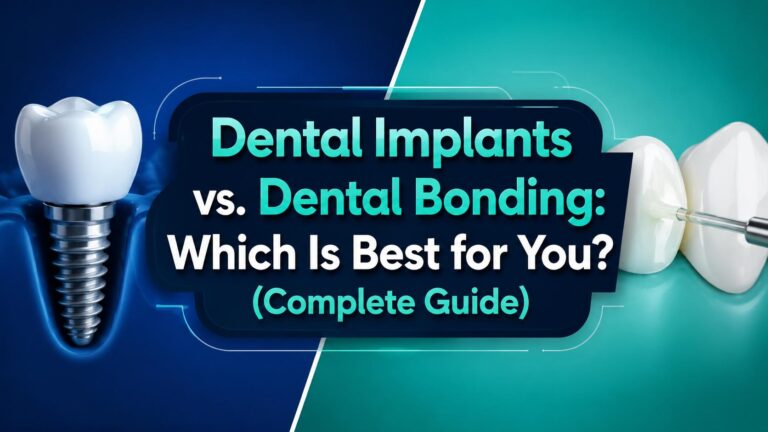
The good news: Minor chips and cracks can often be repaired quickly and affordably. Dental Bonding in sanford offers a fast solution that uses a tooth-colored resin to seal cracks and restore the tooth’s protective surface — often in a single visit.
5. Teeth Grinding (Bruxism) While You Sleep
If you wake up with a dull headache, sore jaw, or sensitive teeth, bruxism could be the culprit. Teeth grinding — especially during sleep — places enormous pressure on your teeth night after night. Over time, this constant force can wear down enamel, create micro-fractures, and even loosen teeth NIH PMC.
Many people who grind their teeth have no idea they’re doing it until a partner mentions it or a dentist spots the wear patterns during a routine exam.
How this helps you: A custom nightguard created by your dentist can cushion your teeth and prevent grinding damage while you sleep. It’s a simple, non-invasive solution that protects your enamel and reduces sensitivity over time.
6. Recent Dental Treatments and Procedures
Here’s a cause that might surprise you — sensitivity can actually be a normal side effect of dental work. After procedures like fillings, crown placements, deep cleanings, or teeth whitening, it’s common to experience temporary sensitivity to hot and cold NIH PMC.
This type of sensitivity usually fades on its own within a few days to a couple of weeks as the tooth settles. However, if sensitivity lingers long after a procedure or worsens over time, it could indicate that a filling needs adjusting or that there’s an underlying issue that needs attention.
What this means for you: Knowing that post-treatment sensitivity is typically temporary can ease your mind. But if it persists, don’t ignore it — a follow-up visit ensures everything is healing properly.
7. Aggressive Brushing with Hard-Bristled Brushes
You might think brushing harder means cleaning better, but the opposite is true. Brushing with too much force — especially with a hard-bristled toothbrush — literally scrubs away enamel and pushes gums away from the teeth. Over time, this creates worn spots on the enamel near the gumline and accelerates gum recession, both of which expose dentin and trigger sensitivity JADA.
This is one of the most overlooked causes because people assume they’re doing the right thing by being thorough. But gentle, circular brushing with a soft-bristled brush is far more effective and far less damaging.
The simple fix: Switch to a soft-bristled toothbrush, use gentle pressure, and ask your dental hygienist to demonstrate proper technique at your next cleaning. This one change can dramatically reduce sensitivity over time.
Don’t Let Tooth Sensitivity Steal Your Favorite Foods
Tooth sensitivity is your body’s early warning system — and ignoring it rarely makes it go away. Whether the cause is as simple as aggressive brushing or as complex as deep decay, the sooner you identify the source, the easier and more affordable the solution tends to be.
At Smile Town Dental, we’ve helped countless patients in Sanford and the surrounding communities find lasting relief from tooth sensitivity. From preventive cleanings to advanced restorative care, we offer comprehensive services designed to keep your smile healthy, comfortable, and confident at every stage of life. We accept most major insurance plans and provide flexible payment options because quality dental care should be accessible to everyone.
Ready to enjoy your favorite hot and cold foods again without wincing? Book your appointment at Smile Town Dental today and let our experienced Dentist in sanford team help you find the lasting relief you deserve. Your smile — and your comfort — are worth it.