If you wake up with severe tooth pain, crack a tooth during dinner, or notice swelling in your gums or face, it can be hard to tell whether you should wait or get help right away. In most cases, fast action protects your comfort, your oral health, and sometimes even your tooth. If you need trusted guidance from a Dentist in sanford, this guide explains what counts as a real dental emergency, what to do first, and how to protect your smile until you’re seen.
Quick Answer: What Counts as a Dental Emergency?
A dental emergency is any oral health problem that needs immediate attention because of severe pain, uncontrolled bleeding, swelling, infection, or trauma that could lead to permanent damage if ignored. Common examples include a severe toothache, a badly cracked tooth, a knocked-out tooth, a dental abscess, facial swelling, and a lost crown or filling that causes significant discomfort.
Problems that usually need urgent dental care
- Severe or throbbing tooth pain
- A broken, cracked, or partially dislodged tooth
- A knocked-out permanent tooth
- Swelling in the gums, jaw, or face
- A painful dental abscess or infection
- Unexplained bleeding in the mouth
- A lost filling or crown that leaves the tooth sensitive or painful
- Soft tissue injuries to the lips, gums, cheeks, or tongue that keep bleeding
Problems that may be able to wait for normal office hours
Not every dental problem is a true emergency. A mild toothache, a small chip with no pain, broken braces, or an object stuck between teeth may still need treatment, but they usually do not require immediate emergency care unless symptoms worsen.
Why Seeing a Dentist in sanford Quickly Matters
When a dental emergency is treated early, the outcome is often better and the treatment is usually simpler. Quick care can reduce pain, stop an infection from spreading, protect surrounding teeth, and improve the chances of saving a damaged or knocked-out tooth. This is especially important with swelling, trauma, or tooth injuries, where waiting can make the situation more complicated.
Your Smile Town Dental also positions itself as a practice that offers comprehensive care, including emergency dentistry for dental injuries and pain relief, along with restorative and cosmetic follow-up treatment when needed. That matters because many emergencies do not end with pain relief alone; they often need a longer-term solution to restore strength, appearance, and function.
What to Do Right Away During a Dental Emergency
Severe toothache
Rinse your mouth with warm water and gently floss to remove any trapped food. If swelling is present, place a cold compress on the outside of your cheek. Over-the-counter pain relievers may help, but never place aspirin or pain medication directly on the gums because it can irritate or burn the tissue. If the pain is intense or does not improve, contact a dentist promptly.
Cracked or broken tooth
Save any broken pieces if possible. Rinse your mouth with warm water and apply gentle pressure with clean gauze if there is bleeding. A cold compress can help reduce swelling. Even if the tooth still looks mostly intact, a crack can expose deeper structures and worsen quickly if left untreated.
Knocked-out tooth
Pick the tooth up by the crown, not the root. Rinse it gently if dirty, but do not scrub it. If possible, place it back in the socket carefully. If that is not possible, keep it in milk or a salt-water solution and get urgent dental care immediately. The best chance of saving the tooth is when it is treated quickly, ideally within one hour.
Swelling, abscess, or signs of infection
Swelling in the gums, jaw, or face should never be ignored. It may point to an abscess or serious infection. Rinse gently with mild salt water and seek urgent dental care as soon as possible. If swelling affects breathing or swallowing, go to emergency medical care immediately.
Lost crown or filling
A missing filling or crown may expose the tooth and increase sensitivity. If you still have the crown, keep it safe and bring it with you. Temporary dental cement may help hold it in place briefly, but avoid using super glue or DIY fixes that can damage the tooth further.
Smart Benefits of Getting Help Fast
Getting prompt emergency dental care can help you:
- Relieve pain sooner
- Lower the risk of infection spreading
- Save a natural tooth when possible
- Prevent a minor problem from becoming a costly one
- Protect your bite and chewing function
- Reduce the chance of needing more extensive treatment later
- Get a clearer plan for both immediate relief and long-term restoration
These are the practical benefits readers want most, and they are often missing from weaker blog posts that only list symptoms without explaining why timing matters.
How Emergency Care Can Protect Your Long-Term Smile
Emergency treatment is often the first step, not the last. Once the urgent problem is controlled, the next goal is restoring your smile in a way that feels comfortable, looks natural, and supports long-term oral health.
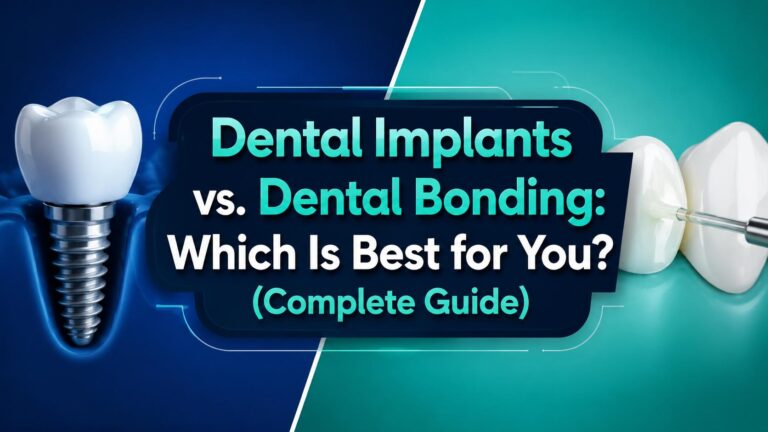
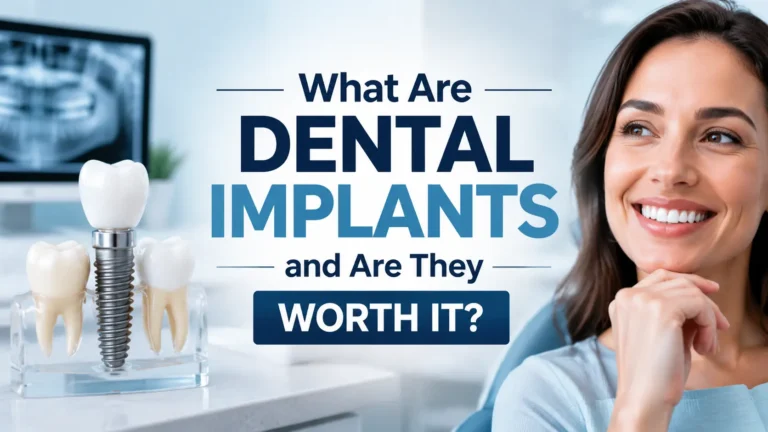
For example, a damaged or missing tooth may later be restored with Crowns & Bridges in sanford or, in some cases, Dental Implants in sanford. If a tooth cannot be saved, Tooth Extraction in sanford may be the healthiest next step. Small chips or cosmetic damage may sometimes be improved with Dental Bonding in sanford, while bite-related or spacing issues may later benefit from Clear Aligners in sanford.
That full-care approach is important. Instead of only stopping pain, a Dentist in sanford can help you understand the cause of the problem, stabilize the tooth or gums, and recommend the next treatment that keeps your smile healthy and functional.
Warning Signs You Should Never Ignore
Pain that keeps getting worse
Pain that becomes sharper, more constant, or harder to manage often means the problem is progressing. Deep decay, infection, or nerve involvement can move quickly if not evaluated.
Facial swelling
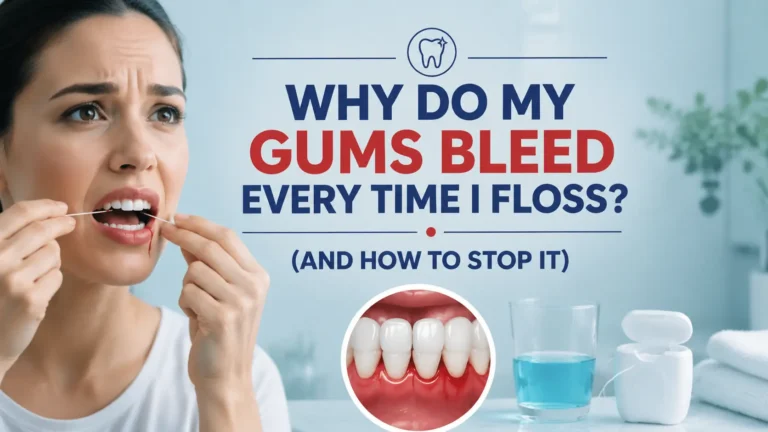
Facial swelling can point to infection and should be taken seriously, especially if it spreads or is paired with fever, pressure, or trouble opening your mouth.
Bleeding that does not stop
Minor irritation may settle, but bleeding that continues after pressure is applied needs prompt attention.
Trauma after a fall, sports injury, or accident
Even if the tooth looks okay, trauma can damage the root, nerve, or surrounding tissues. A Dentist in sanford can check for hidden damage before it becomes more painful or expensive to treat.
How to Lower Your Risk of Future Dental Emergencies
While not every emergency is preventable, a few habits can lower your risk:
- Keep up with regular dental checkups
- Do not ignore small chips, sensitivity, or lingering pain
- Wear a mouthguard for sports
- Avoid chewing ice, hard candy, and other tooth-stressing habits
- Brush and floss consistently
- Get damaged restorations checked before they fail unexpectedly
Frequently Asked Questions
How do I know if my tooth pain is an emergency?
If the pain is severe, throbbing, constant, or linked with swelling, fever, bleeding, or a bad taste in your mouth, it may be an emergency. Mild sensitivity can sometimes wait, but worsening pain should be checked quickly.
What should I do if I knock out a tooth?
Hold the tooth by the crown, rinse it gently, and try to place it back in the socket if possible. If not, keep it in milk and get dental care immediately. Fast treatment gives the tooth the best chance of being saved.
Is facial swelling always a dental emergency?
Facial swelling should always be taken seriously because it can be a sign of infection. If it is severe or affects breathing or swallowing, seek immediate medical help. Otherwise, contact a dental office as soon as possible.
What happens after emergency dental treatment?
After pain is relieved and the urgent problem is stabilized, your dentist may recommend follow-up care such as a crown, bridge, implant, extraction, bonding, or orthodontic correction depending on the cause of the issue and the condition of your teeth.
Conclusion
Dental emergencies can feel overwhelming, but knowing what to do can make a stressful moment much easier to manage. Severe pain, swelling, bleeding, broken teeth, and knocked-out teeth should never be ignored. The sooner you act, the better your chances of protecting your health, relieving pain, and preserving your smile. When you are dealing with urgent symptoms, reaching a Dentist in sanford quickly is often the smartest next step.